
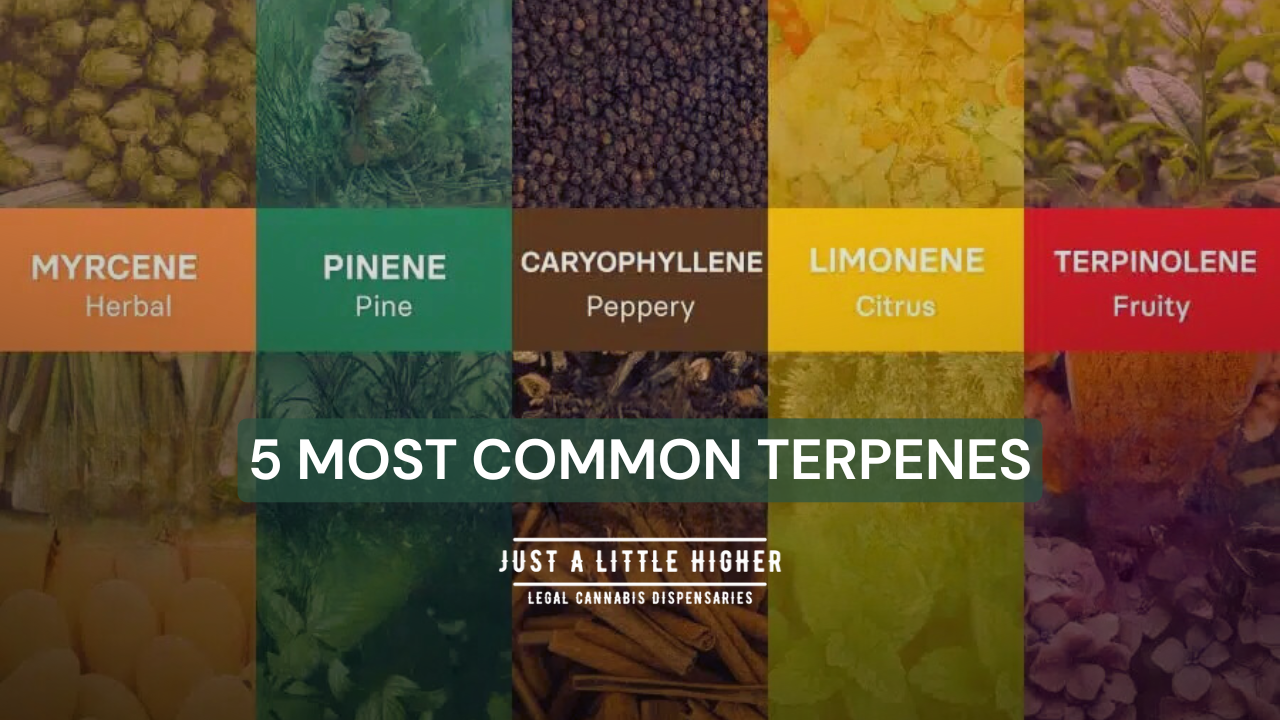

Cannabis is more than just THC and CBD; its unique aroma, flavor, and therapeutic properties are largely influenced by compounds known as terpenes. Terpenes are naturally occurring hydrocarbons produced in the resin glands of cannabis flowers. They play a crucial role in shaping the plant’s scent, taste, and even its psychoactive effects. In the United States, cannabis strains have been extensively bred for diverse terpene profiles, resulting in an array of experiences for both recreational and medicinal users. Understanding these terpenes not only enhances the sensory experience of cannabis but also allows consumers to make more informed choices depending on their desired effects.
Some of the most commonly found terpenes in USA cannabis strains include Myrcene, Limonene,
Caryophyllene, Pinene, Linalool. Each of these compounds has a distinct aroma and set of potential
benefits. For example,
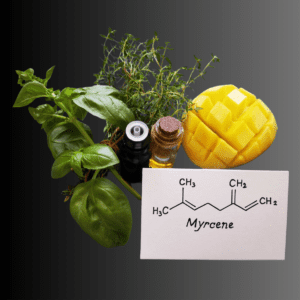
1. Myrcene one of the most prevalent terpenes in American strains, is known for its earthy, musky aroma and sedative effects, making it common in Indica dominant strains.
• Aroma/Flavor: Earthy, musky, herbal, sometimes with fruity notes.
• Effects: Sedative, relaxing, calming.
• Potential Benefits:
- Helps with sleep and insomnia.
- Relieves stress and anxiety.
- Provides pain relief and anti-inflammatory properties.
- Often found in Indica-dominant strains like OG Kush and Granddaddy Purple, making them ideal for nighttime use.
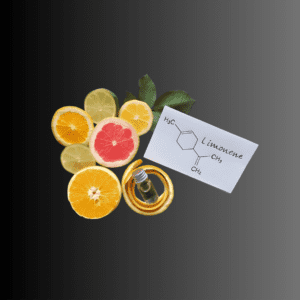
2. Limonene provides a bright citrus scent and is often associated with mood elevation and stress
relief.
• Aroma/Flavor: Citrus, lemon, orange, fresh and zesty.
• Effects: Uplifting, mood-enhancing, stress-relieving.
• Potential Benefits:
- May reduce anxiety and depression.
- Supports digestion and has potential anti-cancer properties.
- Acts as an antifungal and antibacterial agent.
- Common in Sativa-dominant strains like Super Lemon Haze and Sour Diesel, often used during daytime for a bright, energizing effect.
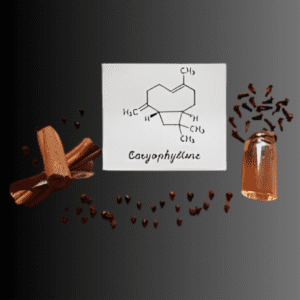
3. Caryophyllene a spicy, peppery terpene, is unique because it interacts with the CB2 receptors in
the endocannabinoid system, giving it potential anti-inflammatory benefits.
• Aroma/Flavor: Spicy, peppery, woody, herbal.
• Effects: Anti-inflammatory, analgesic, calming.
• Potential Benefits:
- Unique among terpenes because it binds to CB2 receptors in the endocannabinoid system.
- May reduce inflammation and pain naturally.
- Can help with anxiety and stress relief.
- Found in strains like Girl Scout Cookies and Chemdawg, making them popular for pain management and relaxation.
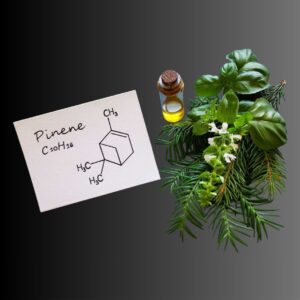
4. Pinene the most common terpene in nature, smells like fresh pine and may enhance alertness and memory retention, while Linalool, with its floral lavender aroma, is often used to promote relaxation and calmness.
• Aroma/Flavor: Pine, fresh, forest-like.
• Effects: Alertness, memory enhancement, anti-inflammatory.
• Potential Benefits:
- Boosts focus, attention, and mental clarity.
- May reduce inflammation in the lungs and airways.
- Has antibacterial and bronchodilator properties.
- Present in strains like Jack Herer and White Widow, often used during daytime for productivity.
5. Linalool
• Aroma/Flavor: Floral, lavender, slightly spicy.
• Effects: Relaxing, anti-anxiety, sedative.
• Potential Benefits:
- Helps with stress, anxiety, and depression.
- Can reduce pain and inflammation.
- Promotes sleep and relaxation.
- Often found in strains like Lavender and LA Confidential, making it great for calming effects and nighttime use.

Understanding terpene profiles is particularly important for medical cannabis patients. Strains high in
Myrcene may help with sleep disorders, while Limonene-rich strains might be more appropriate for combating anxiety or depression. Caryophyllene-dominant strains could assist with inflammation
related conditions, and Linalool may benefit those with stress or migraine symptoms. Recreational users also pay attention to terpenes, as these compounds define the flavor experience of cannabis, which can range from citrusy and sweet to earthy, skunky, or floral. The variations in terpene content
across USA strains are influenced by genetics, cultivation methods, and curing processes, making each strain unique in its aromatic and therapeutic profile.
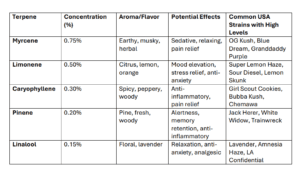
Here’s a detailed table summarizing the most common terpenes found in USA cannabis strains, their
aroma, effects, and common examples of strains:
The diversity of terpenes in American cannabis strains highlights the sophistication of modern breeding programs in the USA. These compounds not only enrich the sensory profile of cannabis but also offer numerous potential health benefits, influencing mood, cognition, pain management, and overall wellness. Whether used recreationally or medicinally, understanding terpene profiles allows consumers to better select strains that align with their personal preferences and needs. As the cannabis industry continues to expand in the USA, terpene science is likely to become an even more prominent part of strain labeling and consumer education, providing a roadmap for both connoisseurs and patients seeking targeted experiences.
Expert Tips to Maximize Terpene Profiles in Your Cannabis Buds
Terpenes are the aromatic compounds in cannabis responsible for flavor, smell, and even certain effects. Maximizing their levels in your buds is an art and a science, combining careful genetics selection, precise environmental control, and expert post-harvest techniques. For serious growers, focusing on terpene production can be the difference between a good harvest and a truly exceptional crop.
One high-tech approach some professional growers employ is the “blue light treatment”. This method involves using only blue-wavelength light for the final few days of flowering. Typically, LED grow lights with adjustable spectra are used. For the last 2–3 days before harvest, growers switch off red and white LEDs, allowing only blue light to illuminate the plants. The underlying theory is that blue light can stimulate terpene synthesis in the trichomes. While definitive scientific proof from companies like Dutch Passion is still pending, anecdotal reports from experienced cultivators suggest it can enhance aroma and flavor without significantly reducing yield, as most of the bud weight is already established by this stage. Even growers using metal-halide lights sometimes switch to a blue-dominant bulb near the end to achieve a similar effect.
Another key strategy for terpene maximization is maintaining plants in their nutrient and optical “sweet spot” throughout their lifecycle. This means providing the right balance of macro- and micronutrients, proper pH levels, and optimal light intensity at every growth stage. Healthy, stress-free plants are far more likely to produce a full-bodied, complex terpene profile, whereas nutrient deficiencies, overfeeding, or light stress can reduce both yield and aromatic potency. Achieving this consistently requires careful observation and adjustments, but the payoff is richer flavor, smell, and overall quality.
Supplemental UVA and UVB lighting can also play a role in boosting terpene levels. Many professional herb cultivators use UV light for 2–3 hours per day during the last 2–3 weeks of flowering. The mild stress induced by UV exposure is thought to trigger the plant’s defense mechanisms, including increased terpene and cannabinoid production. UVA/UVB light is particularly effective at enhancing resin production and can improve the aromatic complexity of your buds, giving them that signature punch in flavor and smell.
Using high-quality LED lighting is essential for growers aiming to optimize terpene production. Modern LEDs allow precise control over light spectra, intensity, and photoperiods. They also emit less heat than traditional HPS or metal-halide systems, reducing the risk of heat stress that can degrade terpenes. For connoisseurs, the right lighting setup is more than just about yield—it’s about achieving maximum flavor, aroma, and therapeutic value in the final product.
Genetics also play a decisive role. Choosing your seeds carefully is one of the most reliable ways to ensure strong terpene profiles. Reputable seed companies often provide lab-tested data on aroma, taste, and terpene content. Auto flower seeds today can rival feminized seeds in quality, meaning growers can achieve high terpene levels even with faster-growing genetics. It’s worthwhile to consult with seed suppliers to identify strains with proven aromatic richness and robust flavor profiles.
Finally, drying and curing are critical steps that can make or break your terpene preservation. Even the most carefully grown buds can lose aromatic potency if dried too quickly or cured improperly. Slow, controlled drying followed by a meticulous curing process allows the delicate terpenes to fully mature and stabilize, preserving their flavor and aroma while enhancing the overall smoking or vaping experience. This final stage is often the most overlooked by casual growers but is considered essential by connoisseurs.
In conclusion, From genetics to lighting, nutrients to UV exposure, and meticulous drying and curing, each stage of the grow contributes to the final aromatic complexity of your buds. Whether you’re cultivating USA cannabis seeds or other high-quality genetics, investing time and attention in terpene management can elevate your harvest from ordinary to extraordinary. For growers who appreciate the nuances of aroma, taste, and therapeutic effects, focusing on terpene production is a pursuit well worth the effort.