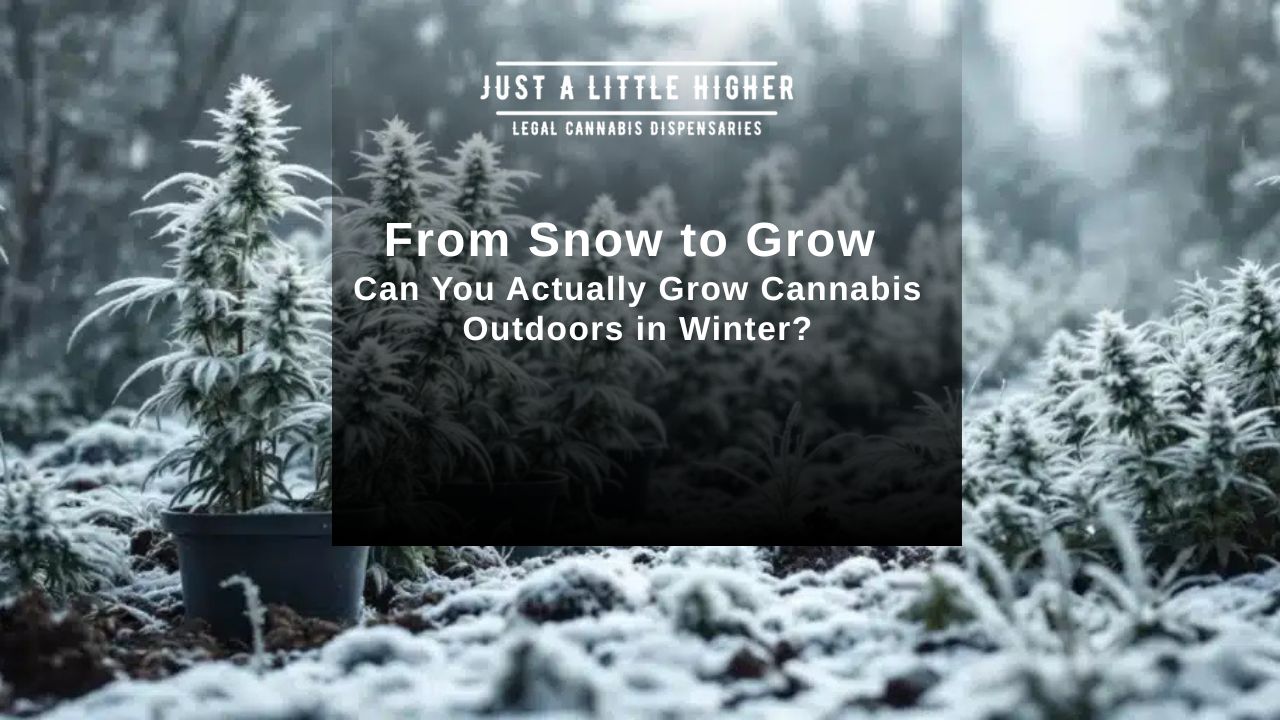

The image of cannabis cultivation typically conjures sun-drenched fields, warm breezes, and the long days of summer. But as legalization expands and cultivation techniques evolve, growers are asking increasingly ambitious questions. Among the most intriguing: can cannabis be grown outdoors during winter months?
The short answer is complex and depends heavily on your definition of “winter,” your geographic location, and your willingness to employ protective strategies. While cannabis is not naturally a cold-weather crop, understanding its biological limits and the innovative methods some growers use to extend the season can open new possibilities for year-round cultivation.
Key Takeaways:
- Temperature thresholds and biological limitations of cannabis in cold weather
- Geographic considerations including which climate zones make winter growing viable
- Strain selection focusing on cold-hardy genetics like indica and autoflowering varieties
- Protective strategies including greenhouses, cold frames, and soil warming techniques
- Photoperiod challenges and how reduced winter daylight affects growth
- Moisture management and disease prevention in winter conditions
- Economic considerations balancing energy costs against potential benefits
- Practical recommendations for growers wanting to experiment with winter cultivation
Understanding Cannabis and Temperature Thresholds
Cannabis, particularly Cannabis sativa and Cannabis indica, evolved in temperate and subtropical climates. The plant thrives in temperatures between 70°F and 85°F (21°C to 29°C) during the day, with slightly cooler nights. These preferences are hardwired into the plant’s physiology, affecting everything from metabolic processes to cannabinoid production.
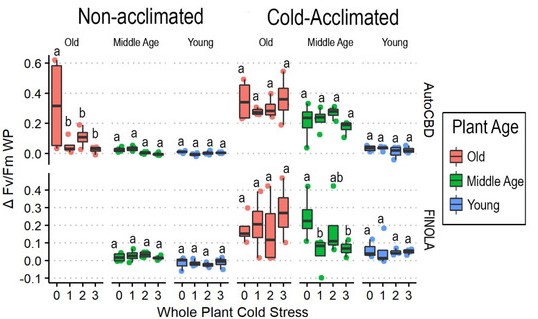
When temperatures drop below 60°F (15°C), cannabis plants begin to experience stress. Growth slows considerably as the plant’s metabolic functions become sluggish. Below 50°F (10°C), most cannabis varieties will cease vegetative growth entirely. Prolonged exposure to temperatures in the 40s Fahrenheit (4°C to 9°C) can damage plant tissues, while freezing temperatures (32°F/0°C and below) will kill most cannabis plants outright.
The plant’s root system is particularly vulnerable to cold. When soil temperatures drop below 60°F, nutrient uptake becomes impaired. Root growth stalls, and the plant cannot adequately feed itself even if other conditions are favorable. This makes traditional outdoor winter cultivation in cold climates nearly impossible without significant intervention.
However, not all “winter” conditions are created equal. For growers in Mediterranean climates, subtropical regions, or areas with mild winters, the calculation changes dramatically.
Geographic Considerations: Where Winter Growing Is Possible
The feasibility of winter cannabis cultivation depends entirely on your hardiness zone and microclimate. In USDA Hardiness Zones 9 through 11 (covering parts of California, Florida, Texas, and Hawaii), winter temperatures often remain mild enough to support cannabis growth with minimal protection.
Southern California, for instance, regularly sees winter daytime temperatures in the 60s and 70s Fahrenheit, with only occasional cold snaps. In these regions, growers can maintain outdoor plants through winter months, though growth will be slower than during peak season. The reduced intensity and duration of winter sunlight become the primary limiting factor rather than temperature alone.
In the Mediterranean regions of Europe, parts of Australia, and similar climates worldwide, winter cultivation is similarly viable. These areas experience what might be called “soft winters” with temperatures rarely dipping below 40°F (4°C), allowing for continuous outdoor growth with appropriate strain selection.
Conversely, in zones 7 and below, where winters bring sustained freezing temperatures, snow, and ice, traditional outdoor cannabis cultivation becomes impractical. However, this hasn’t stopped innovative growers from experimenting with protective structures and cold-hardy approaches.
Strain Selection: Cold-Hardy Cannabis Varieties
Not all cannabis genetics respond equally to cold stress. Selective breeding has produced varieties with improved cold tolerance, though none approach true frost-hardiness. Understanding these differences is crucial for anyone attempting winter cultivation.
Indica-dominant strains generally show better cold tolerance than sativa-dominant varieties. This makes biological sense: indicas evolved in the mountainous Hindu Kush region, where they adapted to cooler temperatures and shorter growing seasons. Varieties with genetics from Afghanistan, Pakistan, and northern India tend to handle temperature fluctuations more gracefully.
Ruderalis genetics, found in auto flowering strains, offer the best natural cold tolerance. Cannabis ruderalis evolved in the harsh climates of Central Asia and Eastern Europe, developing the ability to complete its lifecycle quickly and withstand cooler temperatures. While pure ruderalis has minimal cannabinoid content, modern auto flowering hybrids combine ruderalis hardiness with the potency of indica and sativa genetics.
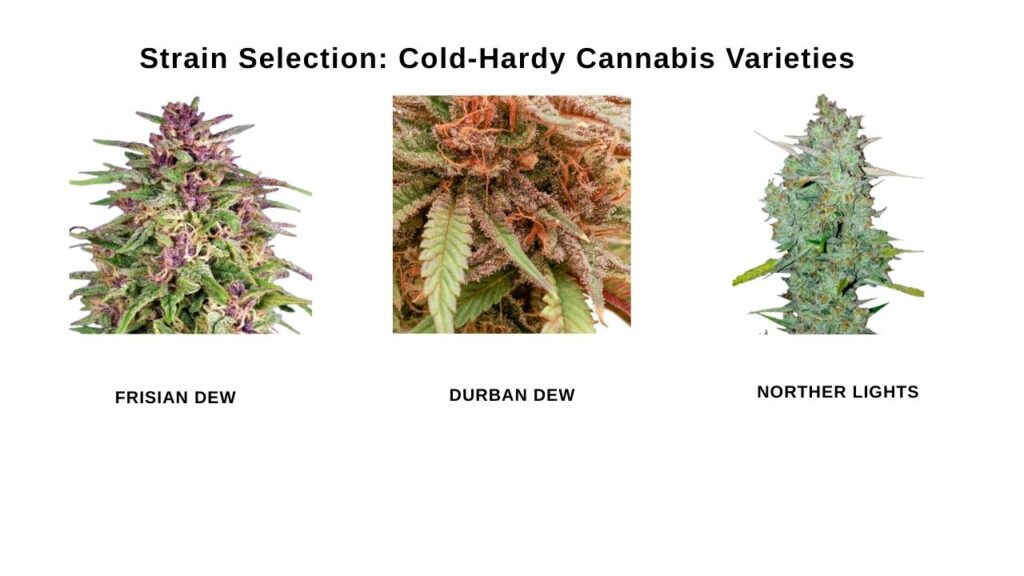
Some specific varieties that growers report having better cold tolerance include Frisian Dew, Durban Poison, and various Kush strains. Auto-flowering varieties like Northern Lights Auto or Critical Auto can complete their lifecycle quickly enough to avoid the harshest winter conditions if planted strategically.
However, it’s important to maintain realistic expectations. Even the most cold-tolerant cannabis strain will struggle below 50°F and cannot survive hard freezes without protection.
Protective Strategies and Season Extension Techniques
For growers in borderline climates or those wanting to push the boundaries of winter cultivation, various protective strategies can extend the growing season or even enable year-round outdoor production.
Greenhouse Cultivation
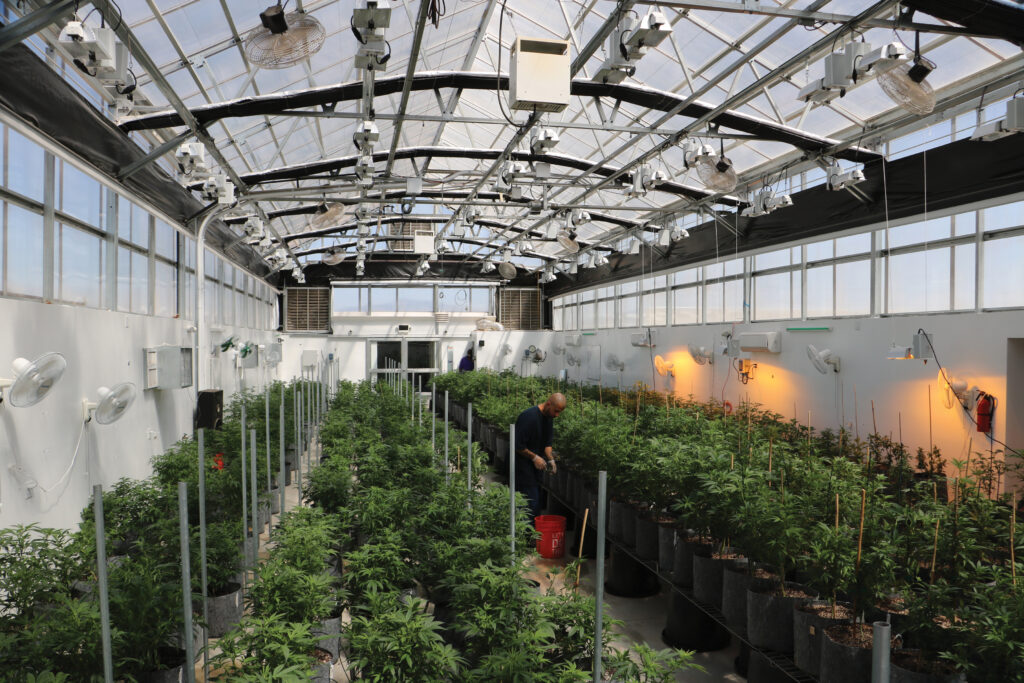
The most effective approach to winter cannabis growing is greenhouse cultivation. Even an unheated greenhouse can provide 10 to 20 degrees Fahrenheit of temperature buffering compared to outside conditions. The structure traps solar radiation during the day and provides wind protection, creating a microclimate suitable for plant growth.
Heated greenhouses open winter growing in even colder climates, though energy costs become a significant consideration. Efficient heating systems using propane, natural gas, or geothermal exchange can maintain temperatures adequate for cannabis growth. Some growers use supplemental heating only during the coldest nights, allowing solar gain to provide daytime warmth.
Light deprivation techniques can be combined with greenhouse growing to control flowering cycles year-round. By manually covering plants or using automated blackout systems, growers can induce flowering regardless of natural photo period.
Cold Frames and Row Covers
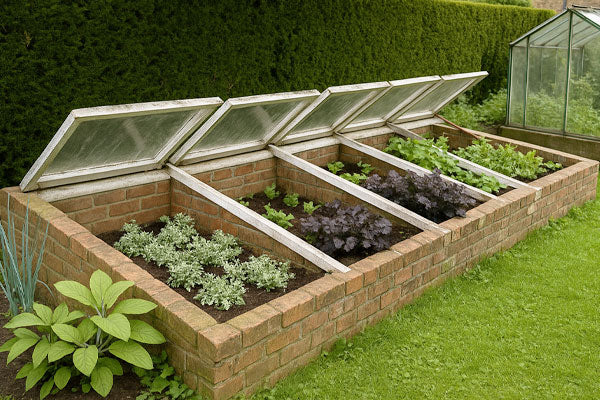
For those without greenhouse infrastructure, cold frames offer a scaled-down alternative. These low-profile structures use transparent or translucent covers to trap heat around plants. While less effective than full greenhouses, cold frames can extend the season by several weeks on either end of traditional growing windows.
Floating row covers made from agricultural fabric provide another option. These lightweight materials allow light and water penetration while providing several degrees of frost protection. Multiple layers can be used during extreme cold snaps, though cannabis plants will need adequate support to handle the weight.
Soil Temperature Management
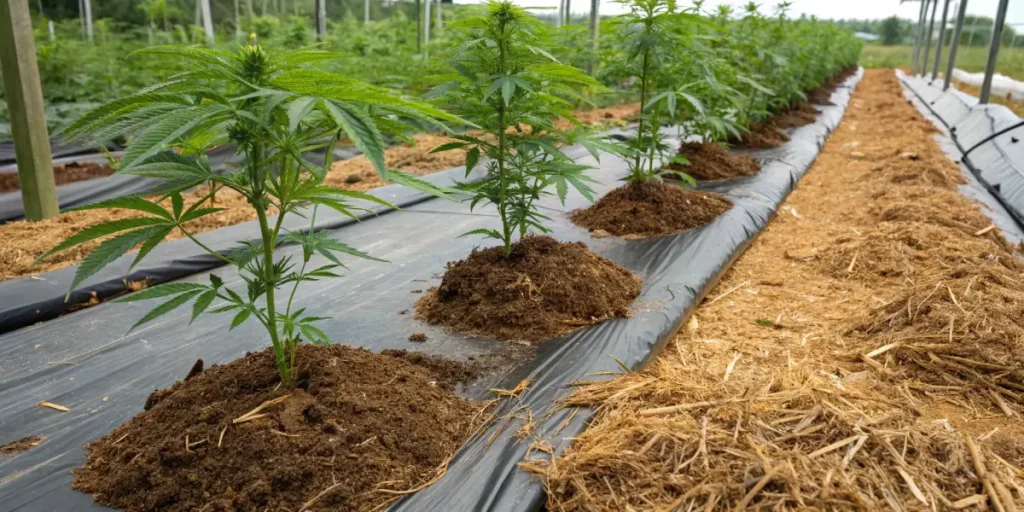
Since root zone temperature is critical, some growers use passive or active soil warming techniques. Dark-colored mulches absorb solar radiation and transfer heat to the soil. Buried tubing carrying warm water can actively heat root zones, though this requires significant infrastructure.
Raised beds warm faster than ground-level soil in spring and can drain better, preventing cold, waterlogged conditions that damage roots. Positioning beds against south-facing walls or using thermal mass elements like water barrels or stone walls can moderate temperature swings.
The Photoperiod Challenge
Temperature is only one challenge in winter cannabis cultivation. The reduced daylight hours and lower light intensity of winter create additional obstacles for outdoor growers.
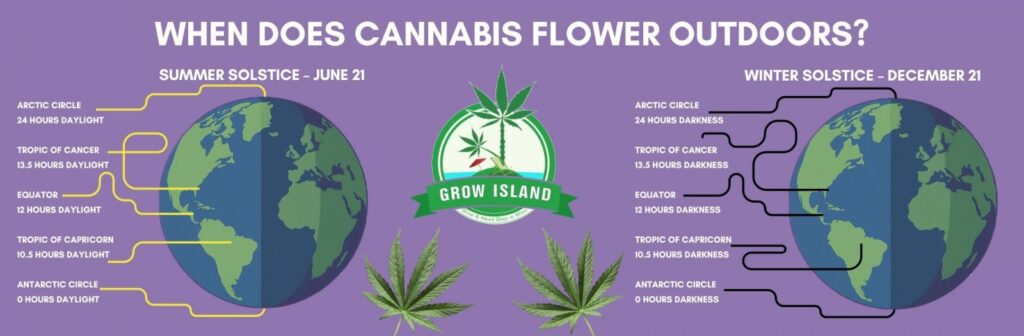
Cannabis requires adequate light for photosynthesis and healthy growth. During vegetative growth, most varieties prefer 16 to 18 hours of light daily. In winter, even subtropical locations may only receive 10 to 11 hours of daylight. This reduced photoperiod will naturally trigger flowering in photoperiod-sensitive strains, which may not be desirable for growers hoping to maintain vegetative growth.
The intensity and angle of winter sunlight is also substantially lower than summer conditions. This means that even during daylight hours, plants receive less photosynthetically active radiation, slowing growth rates. South-facing locations and reflective surfaces can maximize available light, but winter-grown cannabis will inevitably develop more slowly than summer crops.
Auto flowering strains bypass the photoperiod issue since they flower based on age rather than light cycles. This makes them particularly suitable for winter growing in mild climates, as they’ll complete their lifecycle on whatever light is available.
Moisture and Humidity Considerations
Winter cultivation presents unique moisture challenges. In many regions, winter brings increased precipitation and humidity, creating ideal conditions for mold, mildew, and fungal diseases. Cannabis flowers are particularly susceptible to botrytis (bud rot) when humidity remains high.
Greenhouse growers must carefully manage ventilation to prevent moisture buildup while maintaining adequate temperature. This balancing act becomes trickier in winter when opening vents for air exchange also releases valuable heat.
In drier winter climates, the opposite problem emerges. Low humidity combined with heating systems can desiccate plants, requiring careful attention to watering and possibly supplemental humidification.
Proper spacing between plants, adequate airflow, and preventive fungicide applications become especially important during winter growing. Some growers use dehumidifiers in enclosed spaces or ensure greenhouse structures have sufficient automated ventilation.
Energy and Economic Considerations
The economics of winter cannabis cultivation depend heavily on methodology and location. Outdoor growing in mild climates requires minimal additional input, making it cost-effective for personal growers or those with appropriate geography.
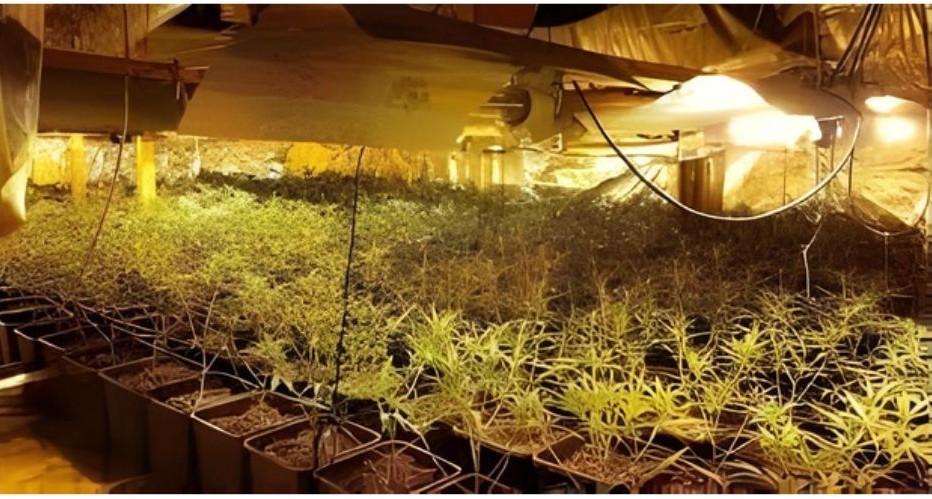
Greenhouse growth represents a middle ground, with moderate infrastructure costs but lower ongoing expenses than fully indoor operations. Passive solar greenhouses can maintain surprising warmth with no energy input, while even heated structures typically use less energy than indoor grow rooms.
However, in truly cold climates, the energy required to maintain greenhouse temperatures adequate for cannabis growth can be substantial. Growers must calculate whether the value of winter production justifies heating costs. For commercial operations, this often only makes economic sense in regions with mild winters or where cannabis commands premium prices.
Some growers time their operations to avoid the coldest months entirely, using protective structures to extend shoulder seasons in spring and fall rather than attempting true winter cultivation.
Potential Benefits of Winter Growing
Despite the challenges, winter cannabis cultivation offers several potential advantages for those who can manage it successfully.
Market timing is perhaps the most significant benefit for commercial growers. In regions where most cultivation occurs outdoors during summer, winter-grown cannabis can command premium prices due to reduced supply. This counter-seasonal production can provide economic advantages that offset increased production costs.
Pest and disease pressure often decrease during winter months. Many common cannabis pests like spider mites, aphids, and thrip populations decline in cooler weather. This can reduce the need for pest management interventions and may appeal to organic growers.
Some cultivators also report that cooler temperatures during the flowering period can enhance terpene preservation and produce more vibrant colors in certain strains, particularly those with anthocyanin pigments that express more intensely in cool conditions.
Practical Recommendations for Winter Growing
For growers considering winter cannabis cultivation, the following guidelines can help determine feasibility and approach:
Assess Your Climate Honestly: Research your area’s average winter temperatures, frost dates, and daylight hours. USDA hardiness zones provide a starting point, but microclimates vary. Even within cold zones, protected locations near large bodies of water or urban heat islands may offer viable growing conditions.
Start Small and Experiment: Before committing significant resources, try growing a few plants through winter using available protection methods. This provides valuable data about what works in your specific conditions without major investment.
Choose Appropriate Genetics: Select cold-tolerant indica or auto flowering varieties suited to reduced light conditions. Avoid long-flowering sativa strains that require extensive warm weather to complete development.
Invest in Protection: Even in mild climates, having row covers, cold frames, or simple hoop houses available provides insurance against unexpected cold snaps. The ability to add protection during extreme weather events can save entire crops.
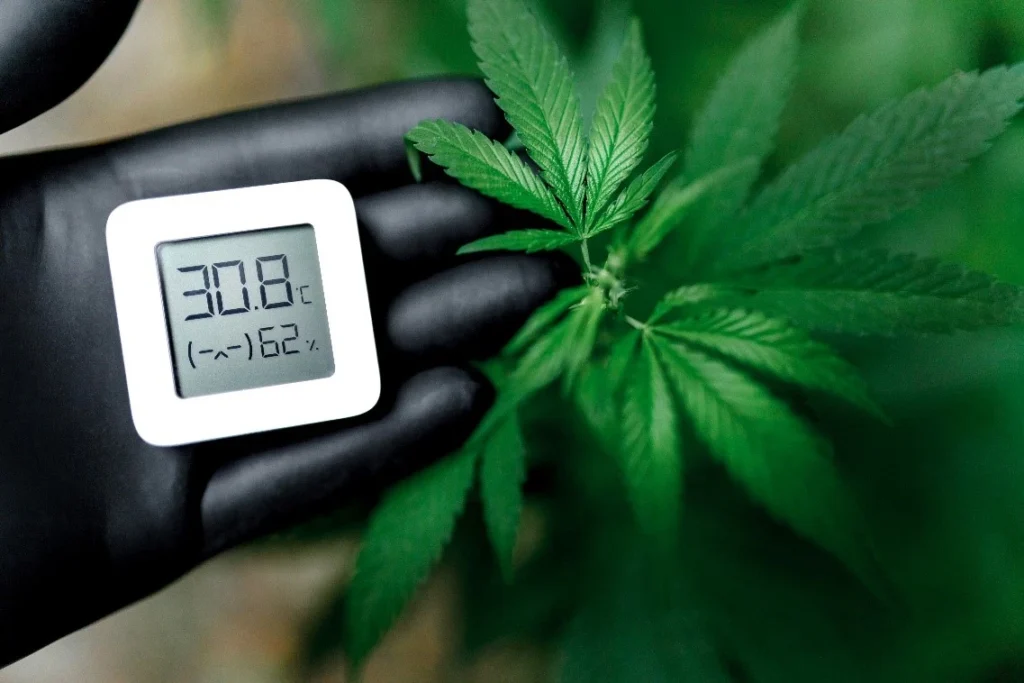
Monitor Conditions Closely: Winter weather can change rapidly. Temperature monitoring systems, especially minimum/maximum thermometers or digital monitors with alerts, help growers respond quickly to dangerous conditions.
Plan for Contingencies: Have a backup plan for moving plants to protected locations if weather forecasts predict damaging conditions. Container growing allows this flexibility, while in-ground plants may require temporary covering systems.
Conclusion: Redefining the Growing Season
Can you grow cannabis outdoors in winter? The answer is a qualified yes, with success depending on geography, methodology, and dedication. In truly cold climates with hard winters, traditional outdoor cultivation remains impossible without substantial greenhouse infrastructure that blurs the line between “outdoor” and indoor growing.
However, for the millions living in mild-winter regions, winter cannabis cultivation is not only possible but potentially advantageous. With appropriate strain selection, basic protective measures, and attention to the plant’s needs, year-round outdoor growing becomes achievable.
The evolution of cold-tolerant genetics, the proliferation of affordable greenhouse materials, and innovative growing techniques continue to expand the boundaries of what’s possible. As the cannabis industry matures and growers share knowledge, the line between seasonal and year-round cultivation grows increasingly blurred.
For adventurous cultivators willing to experiment and adapt, winter growing represents a frontier of cannabis cultivation. While it may never be as effortless as the sun-soaked days of summer, the satisfaction of harvesting frost-covered flowers—from plants that survived actual frost—offers its own unique reward.
Whether you’re a home grower looking to maintain a personal supply year-round or a commercial operator seeking market advantages, understanding the possibilities and limitations of winter cannabis cultivation opens new pathways for success. From snow to grow may remain challenging, but for determined growers in the right conditions, it’s increasingly achievable.