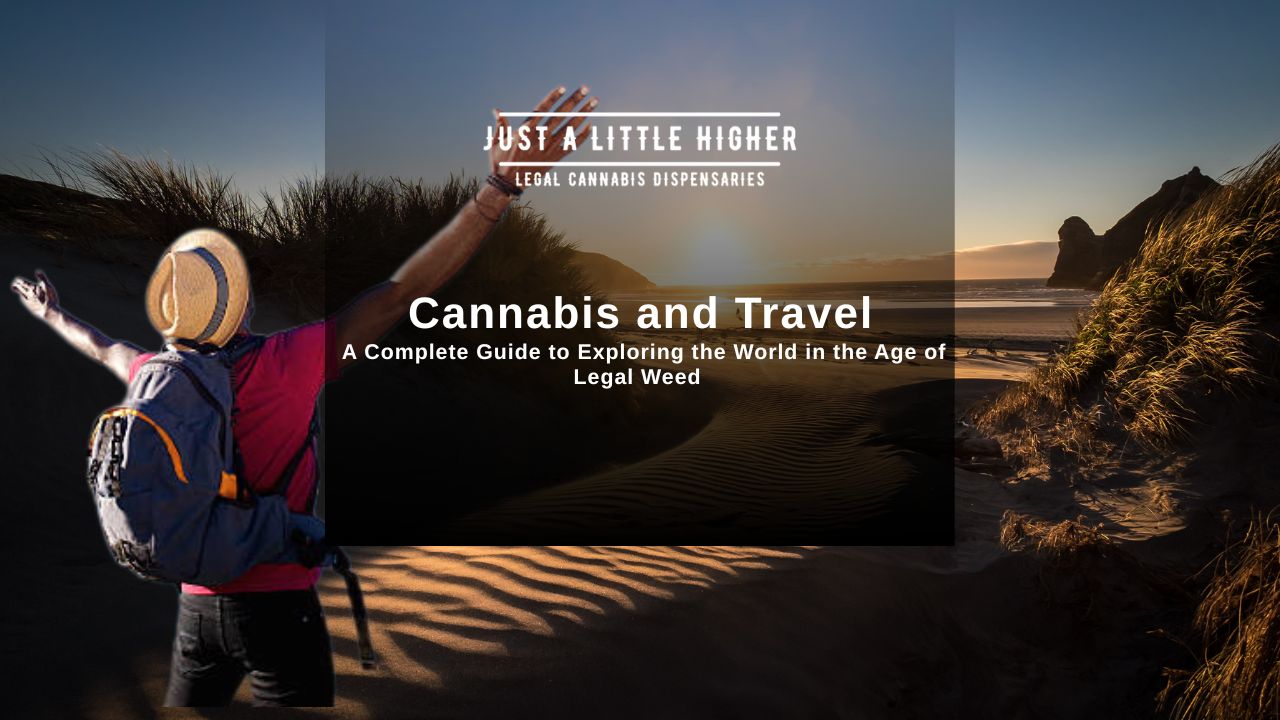

The landscape of cannabis legalization has transformed dramatically over the past decade, creating a new frontier for travelers seeking to explore the intersection of tourism and legal cannabis consumption. What was once confined to Amsterdam’s famous coffee shops has evolved into a global phenomenon, with destinations across North America, Europe, and beyond welcoming cannabis enthusiasts. However, navigating the complex patchwork of international, federal, and local laws requires careful planning and awareness. This comprehensive guide will help you understand where cannabis is legal, how to consume responsibly while traveling, and what precautions you must take to avoid serious legal consequences.
Key Takeaways
• Global legal landscape – Current status across North America, Europe, and other regions
• Trip planning – Choosing destinations and researching local cannabis markets
• Laws and regulations – Critical information about possession limits, consumption rules, and border crossing
• Purchasing cannabis – How to navigate dispensaries and select appropriate products
• Consumption options – Where tourists can legally consume (lounges, hotels, tours)
• Health and safety – Responsible dosing, managing overconsumption, and avoiding common mistakes
• Etiquette and culture – Social norms and respectful consumption practices
• Return planning – How to handle the end of your trip without legal complications
• Future trends – What’s coming next in cannabis tourism
The Global State of Cannabis Legalization
Understanding the current legal landscape is essential before planning any cannabis related travel. The movement toward legalization has accelerated worldwide, though the specifics vary dramatically by jurisdiction.
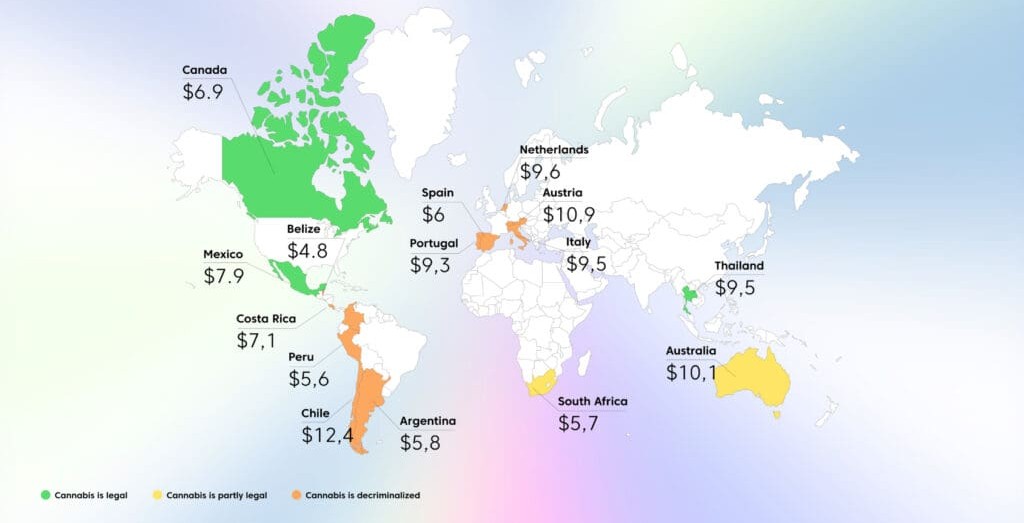
North America leads the charge in cannabis tourism. Canada fully legalized recreational cannabis nationwide in 2018, making it one of the most cannabis-friendly destinations for travelers. Adults can legally purchase, possess, and consume cannabis throughout the country, though individual provinces maintain their own regulations regarding retail sales and public consumption. In the United States, the situation is more complex due to the federal prohibition that persists despite state-level legalization. As of early 2025, over 20 states have legalized recreational cannabis, with established markets in California, Colorado, Washington, Oregon, Nevada, Illinois, Michigan, Massachusetts, and others. These states have developed robust tourism industries around cannabis, featuring
dispensaries, consumption lounges, cannabis-friendly accommodations, and guided experiences.
Europe presents a mixed picture. The Netherlands remains famous for its tolerant approach, though technically cannabis remains illegal—it’s simply not enforced in licensed coffee shops under certain conditions. This policy of “gedoogbeleid” (tolerance) has made Amsterdam and other Dutch cities cannabis tourism destinations for decades. More recently, Luxembourg became the first European country to fully legalize home cultivation and consumption, though commercial sales remain restricted. Germany has moved toward decriminalization and limited legalization, while Spain operates under a legal gray area where private cannabis clubs exist in a quasi-legal status. Malta legalized personal cultivation and consumption in 2021, signaling a shift in European attitudes.
Other regions are gradually opening up. Uruguay was the world’s first country to fully legalize cannabis in 2013, though its program primarily serves residents rather than tourists. Thailand surprised many by decriminalizing cannabis in 2022, though the legal situation remains somewhat fluid with ongoing regulatory discussions. South Africa decriminalized personal use and cultivation following a landmark court decision. Australia has legalized cannabis for medical purposes nationally, with the Australian Capital Territory allowing recreational possession and cultivation.
Despite these advances, the majority of the world maintains prohibition. Asia, the Middle East, most of Africa, and much of South America continue to enforce strict anti-cannabis laws, often with severe penalties including lengthy prison sentences. Understanding these distinctions is not merely academic—the consequences of violating local laws can be life altering.

Planning Your Cannabis-Friendly Trip
When planning travel that involves cannabis, your first consideration should be choosing appropriate destinations. Beyond simply selecting locations where cannabis is legal, consider the maturity of the local cannabis market, the availability of tourist-friendly consumption options, and the overall cultural attitude toward cannabis users.
Colorado, particularly Denver, has developed perhaps the most sophisticated cannabis tourism infrastructure in the United States. The state has welcomed recreational cannabis since 2014, giving businesses time to refine their offerings. Visitors can find hundreds of dispensaries, cannabis-friendly hotels, private consumption lounges, and specialized tours ranging from grow facility visits to painting classes where consumption is permitted. The state’s stunning natural beauty also attracts outdoor enthusiasts who appreciate the ability to legally consume cannabis.
California offers diversity unmatched elsewhere, from the sophisticated cannabis lounges of Los Angeles to the legendary cultivation regions of the Emerald Triangle in Northern California. The state’s long history with cannabis culture means you’ll find everything from high-end dispensaries in Beverly Hills to rustic cannabis farms offering tours and tastings similar to wine country experiences.
Las Vegas has embraced cannabis tourism with characteristic enthusiasm, though public consumption remains prohibited. The city features numerous dispensaries and an increasing number of private consumption lounges and cannabis-friendly entertainment options. The 24-hour nature of Las Vegas makes it easy to find dispensaries open when you need them.
Canada’s major cities—Toronto, Vancouver, Montreal—all offer excellent cannabis tourism opportunities with the advantage of nationwide legalization. British Columbia’s cannabis culture runs deep, with Vancouver long known as a cannabis-friendly city even before legalization. The province’s beautiful scenery provides an ideal backdrop for cannabis-enhanced outdoor activities.
Amsterdam remains iconic despite competition from newer legal markets. The city’s coffee shops offer a unique European cafe culture combined with cannabis consumption, though be aware that some establishments have become quite touristy. Exploring beyond the city center often reveals more authentic experiences.
When researching destinations, investigate local consumption laws carefully. Many places that have legalized cannabis still prohibit public consumption, limiting where tourists can actually use their purchases. Look for destinations with consumption lounges, cannabis friendly accommodations, or private tour options that solve this problem.
Navigating Laws and Regulations
The most critical aspect of cannabis travel is understanding and respecting the complex legal framework you’ll encounter. Even in legal jurisdictions, rules vary significantly and violations can result in fines, arrest, or worse.
Possession limits differ by location and you must stay within them. In Colorado, adults can possess up to one ounce of flower or eight grams of concentrate. California allows one ounce of flower and eight grams of concentrate. Canada permits 30 grams of dried cannabis or equivalent. Exceeding these limits, even slightly, can result in criminal charges. Dispensaries will typically ensure you don’t purchase beyond legal limits, but if you visit multiple dispensaries or receive gifts, you could inadvertently exceed possession limits.
Age requirements are strictly enforced. All legal jurisdictions require consumers to be at least 21 years old (19 in some Canadian provinces). Valid government-issued photo identification is mandatory for purchasing cannabis, and dispensaries take verification seriously. Attempting to purchase underage or providing cannabis to minors carries severe penalties.
Public consumption is prohibited in most places that have legalized cannabis, similar to open container laws for alcohol. Even in cannabis-legal states and countries, consuming in public parks, streets, sidewalks, or other public spaces typically remains illegal and can result in fines. Some jurisdictions have created specific consumption lounges or designated areas, but these are the exception rather than the rule. Hotels vary in their policies—some welcome cannabis consumption while others prohibit it entirely, with violations potentially resulting in fees or eviction. Always verify your accommodation’s policy before consuming on the property.
Driving under the influence of cannabis is illegal everywhere and increasingly enforced through roadside testing in some jurisdictions. The impairment threshold varies by location, but the safest approach is never to drive after consuming cannabis. Use rideshare services, public transportation, or walking to get around after consumption.
International borders present absolute red lines. Never attempt to cross international borders with cannabis, even between locations where it’s legal on both sides. Despite Canada and several US states having legal cannabis, crossing the US-Canada border with cannabis remains a federal offense that can result in arrest, criminal charges, border bans, and seizure of property. The same applies to any international border worldwide. Even cannabis accessories, residue, or evidence of past use can cause problems at borders.
Interstate travel within the United States poses similar risks. While less likely to be enforced than international border violations, transporting cannabis across state lines technically constitutes federal drug trafficking, even between two states where it’s legal. Many travelers do this without incident, but the legal risk exists. Flying domestically from legal states is increasingly tolerated—TSA has stated that searching for marijuana is not a priority—but it remains technically illegal under federal law.

Finding and Purchasing Cannabis as a Tourist
Once you’ve arrived in a cannabis-legal destination, navigating the purchasing process is generally straightforward, though some tips will enhance your experience.
Dispensaries in mature markets have become professional, welcoming retail environments. Most employ knowledgeable staff trained to help newcomers navigate product selection. Don’t hesitate to ask questions—budtenders (cannabis retail staff) expect questions from tourists and can guide you toward products appropriate for your experience level and desired effects. Describe what you’re looking for: relaxation, creativity, pain relief, sleep aid, or simply a mild pleasant experience. Be honest about your tolerance level. Many tourists underestimate modern cannabis potency and consume too much, resulting in uncomfortable experiences.
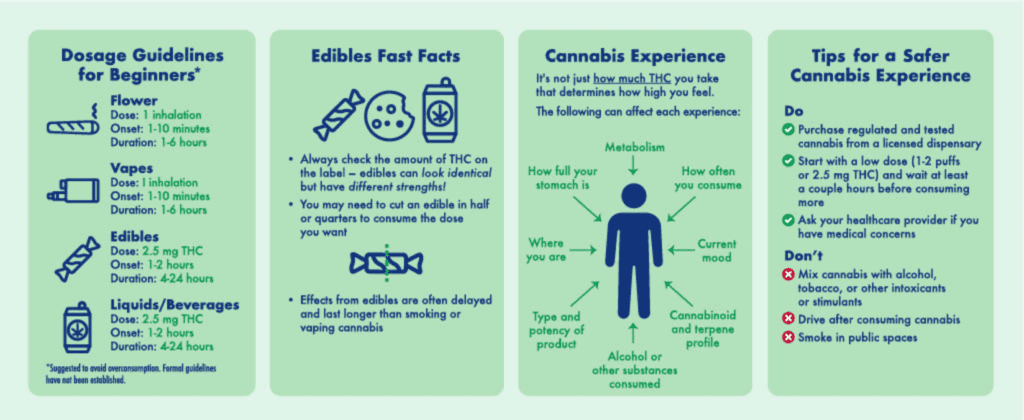
Product selection can be overwhelming. Modern dispensaries offer flower (traditional smokable cannabis) in numerous strains and potencies, pre-rolled joints for convenience, vaporizer cartridges, edibles ranging from gummies to chocolates to beverages, tinctures, topicals, and concentrates. For novice users or those with low tolerance, start with low dose edibles (5-10mg THC) or mild flower strains. Edibles take 1-2 hours to take full effect, so wait before consuming more. The classic mistake is eating more because you don’t feel anything after 30 minutes, then becoming overwhelmed when everything hits at once.
Pricing varies by market maturity and local taxes. Established markets like Colorado and California have seen prices decrease over time, while newer markets may have higher prices. Expect to pay $30-60 for an eighth ounce of quality flower, $20-40 for pre-rolls, and $15-30 for edibles. Concentrates and vaporizer cartridges run $30-60 depending on quality and quantity. Taxes can add 20-40% to your purchase in some jurisdictions.
Payment is often cash-only due to federal banking restrictions in the United States. Many dispensaries have ATMs on-site, though fees may apply. Some locations now accept debit cards, and a few have found creative solutions to accept credit cards, but cash remains king in most cannabis retail.
Consumption Options for Travelers
After purchasing cannabis, tourists face the practical challenge of where to actually consume it. This is often the trickiest part of cannabis tourism since many legal jurisdictions prohibit public consumption.
Cannabis-friendly accommodations represent the most straightforward solution. Some hotels, bed and breakfasts, and vacation rentals explicitly allow cannabis consumption, either in designated areas or throughout the property. Booking platforms increasingly allow filtering for 420-friendly properties. When booking, verify the specific policy—some allow smoking while others restrict consumption to edibles or vaporizers. Private vacation rentals through platforms like Airbnb or VRBO may have individual owner policies, so read listings carefully and communicate with hosts.
Consumption lounges are emerging in some legal markets, offering safe, legal spaces for social cannabis consumption. Amsterdam’s coffee shops pioneered this model decades ago. US cities like Las Vegas, Los Angeles, Denver, and others have begun licensing consumption lounges, though they’re still relatively rare. These venues typically charge cover fees or require minimum purchases and may offer cannabis sales on-site or allow you to bring your own. Some focus on social atmosphere with music and entertainment, while others provide quieter spaces for relaxation.
Private tours and experiences have become popular, offering transportation to consumption-friendly locations, cannabis education, and consumption opportunities in legal settings. Cannabis tours might include visits to cultivation facilities, extraction labs, dispensaries, and consumption lounges, with knowledgeable guides explaining the industry and culture. Painting classes, yoga sessions, cooking classes, and outdoor adventures have all been adapted to include legal cannabis consumption. These experiences solve the consumption location problem while adding entertainment and
education value.
Outdoor consumption occupies a legal gray area in many locations. While technically prohibited in public spaces, discreet consumption in remote natural areas is common and rarely enforced. If you choose this route, be extremely discreet, respectful of others, mindful of fire danger, and aware that it remains illegal even if enforcement is unlikely. Never consume around children or in areas where your smoke or smell would bother others.
Health, Safety, and Responsible Consumption
Cannabis affects everyone differently, and modern legal cannabis is often significantly more potent than what many people remember from years past. Consuming responsibly ensures an enjoyable experience rather than an overwhelming one.
Start low and go slow is the golden rule, especially with edibles. A 5mg THC dose is appropriate for beginners or those with low tolerance. Even experienced consumers should approach unfamiliar products cautiously. Edibles can take 30 minutes to 2 hours to produce noticeable effects, and the experience lasts much longer than smoking or vaping—often 4-8 hours. Smoking or vaping provides faster onset (within minutes) and easier dose control, making them often better choices for inexperienced users despite the health implications of smoking.
Know your limits and recognize signs of overconsumption. Taking too much cannabis is uncomfortable but not medically dangerous for healthy adults. Symptoms of overconsumption include anxiety, paranoia, rapid heartbeat, dizziness, nausea, and extreme sedation. If you or someone you’re with consumes too much, remember that it will pass, find a safe comfortable place to rest, stay hydrated with water, try eating something, consider black pepper (which some find reduces anxiety), use CBD if available (it can counteract THC effects), and seek medical attention if someone is in extreme distress or has concerning symptoms. Remind yourself or others that no one has died from cannabis overdose—the experience will end.
Don’t mix substances carelessly. Combining cannabis with alcohol intensifies the effects of both and significantly increases the likelihood of negative experiences like nausea, dizziness, and loss of coordination. If you choose to combine them, use both in much smaller quantities than you normally would. Be cautious combining cannabis with other medications, particularly sedatives or psychiatric medications. Consult with a healthcare provider if you have concerns about interactions.
Medical considerations apply to certain populations. Pregnant or breastfeeding individuals should avoid cannabis. People with personal or family history of psychosis or schizophrenia should avoid THC containing products or use them only under medical supervision, as cannabis can trigger or worsen these conditions in susceptible individuals. Those with heart conditions should consult doctors before using cannabis, as it can increase heart rate and blood pressure temporarily.
Cannabis Etiquette and Cultural Considerations
Like any activity with social dimensions, cannabis consumption has developed etiquette norms that travelers should respect.
In North American dispensaries, budtenders appreciate when customers know roughly what they’re looking for rather than expecting the staff to read their mind. It’s fine to ask questions and seek guidance, but having done basic research shows respect for their expertise and other customers’ time. Many dispensaries prohibit phone use or photography inside to protect customer privacy.
When consuming socially, whether in lounges or private settings, common courtesy applies: passing to the left is traditional in North American cannabis culture, take your turn without monopolizing the joint or pipe, offer to share if consuming in a group unless you’ve made it clear you’re not sharing, don’t pressure others to consume if they decline, be mindful of ventilation and others’ comfort with smoke or smell, and respect designated consumption areas rather than lighting up wherever you please.
Cultural sensitivity matters, particularly when visiting communities where cannabis has deep cultural or spiritual significance. In many places, indigenous peoples and local communities have historical relationships with cannabis that predate modern legalization and tourism. Approach with respect rather than treating everything as a novelty or Instagram opportunity. Support local businesses and communities rather than only patronizing corporate dispensaries. Be aware that cannabis legalization has complicated social justice dimensions—many people remain incarcerated for cannabis offenses that are now legal, and communities of color were disproportionately harmed by prohibition. Thoughtful travelers inform themselves about these issues.
Planning for Return Home
As your cannabis-friendly trip concludes, proper planning ensures your return home doesn’t result in legal problems or other complications.
Consume or dispose of remaining cannabis before leaving your destination. You cannot legally transport cannabis across international borders or state lines in most cases, even returning home to another legal jurisdiction. Giving excess cannabis to local friends or other travelers is an option, though technically this could violate local gifting laws. Some destinations have amnesty boxes at airports where you can discard cannabis before security screening. Whatever you do, don’t try to bring it home.
Clean your luggage and person of any residue or smell. Drug-sniffing dogs at airports and borders can detect cannabis odors even when no product remains. Wash clothing that may smell like cannabis smoke. Clean pipes, vaporizers, or other accessories thoroughly if you’re bringing them home, though even residue can cause problems at borders. Consider whether accessories are worth the hassle—often they’re not.
Be prepared for questions if you’ve visited known cannabis destinations. Border agents may ask about cannabis use or purchases, particularly when returning to the US from Canada or moving between countries. Lying to border agents can result in serious consequences including bans from entry. You can generally decline to answer questions about past drug use, though this may result in additional screening. Having cannabis in your system is not illegal, and you cannot be prosecuted for consuming cannabis legally in another jurisdiction, though admission of past use could theoretically result in future travel complications depending on destination countries’ policies.
Understand workplace implications if you’re subject to drug testing. Cannabis can remain detectable in drug tests for days to weeks after use depending on frequency of consumption and test sensitivity. Occasional users might test positive for 3-7 days after use, while frequent users can test positive for 30 days or longer. If you’re subject to workplace drug testing, factor this into your travel planning. Some employers have relaxed policies in legal states, but many maintain zero-tolerance policies regardless of where or when consumption occurred.
The Future of Cannabis Tourism
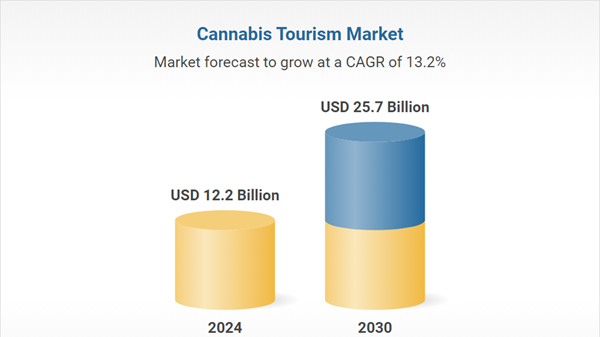
The cannabis tourism industry continues to evolve rapidly as social attitudes shift and more jurisdictions move toward legalization. Industry observers predict several trends will shape the coming years.
Increased professionalization of cannabis tourism is likely, with major hotel chains, tour operators, and travel companies entering the market as cannabis loses its counterculture stigma. We’re already seeing cannabis tourism evolve from a niche interest to a mainstream travel category, with sophisticated operators offering upscale experiences comparable to wine tourism.
Expanded legal access seems probable as more countries and jurisdictions observe the successes and failures of early adopters. Germany, the Czech Republic, Switzerland, and other European nations are moving toward legalization or expanded decriminalization. More US states continue to legalize, and federal rescheduling or decriminalization may eventually occur, though the timeline remains uncertain. Mexico’s courts have ruled prohibition unconstitutional, though implementation of legal sales has faced delays.
Consumption infrastructure will likely improve as legal markets mature and recognize that prohibiting public consumption while allowing sales creates problems for tourists and locals alike. More consumption lounges, cannabis cafes, and designated consumption areas should emerge. Some ski resorts, music festivals, and other entertainment venues are exploring cannabis-friendly options.
Specialization and segmentation of cannabis tourism products will continue, with operators targeting specific interests: wellness and spa experiences, outdoor adventures, culinary tourism, agricultural tourism, education and industry tours, and luxury experiences. Cannabis tourism will increasingly integrate with other travel interests rather than being purely about cannabis consumption.
Conclusion
Cannabis legalization has opened exciting new possibilities for travelers, from exploring Amsterdam’s legendary coffee shops to experiencing Colorado’s mountain dispensaries, from cannabis farm tours in California’s Emerald Triangle to consumption lounges in Las Vegas. However, responsible cannabis tourism requires careful planning, thorough legal research, and respectful consumption practices.
The key to successful cannabis travel is preparation. Research your destination’s specific laws regarding possession, consumption, and purchase. Understand where you can legally consume what you buy. Choose appropriate products and doses for your tolerance level. Respect local culture and etiquette. Never attempt to cross borders with cannabis. Consume responsibly with attention to health and safety.
As the legal landscape continues to evolve, staying informed about current laws and regulations remains essential. What’s legal today in one location may change tomorrow, and what’s permissible in one jurisdiction may be severely punished in another. The fundamental rule underlying all cannabis travel is simple: respect local laws completely, consume responsibly, and never assume that legality in one place translates to legality somewhere else.
For those who approach it thoughtfully, cannabis tourism offers opportunities to explore new destinations, learn about cannabis culture and industry, meet fellow enthusiasts, and enjoy legal consumption in beautiful settings around the world. With proper planning and responsible practices, cannabis-friendly travel can be a rewarding dimension of modern tourism, allowing you to explore the world’s evolving relationship with this ancient plant that has finally begun to emerge from prohibition’s shadow.