
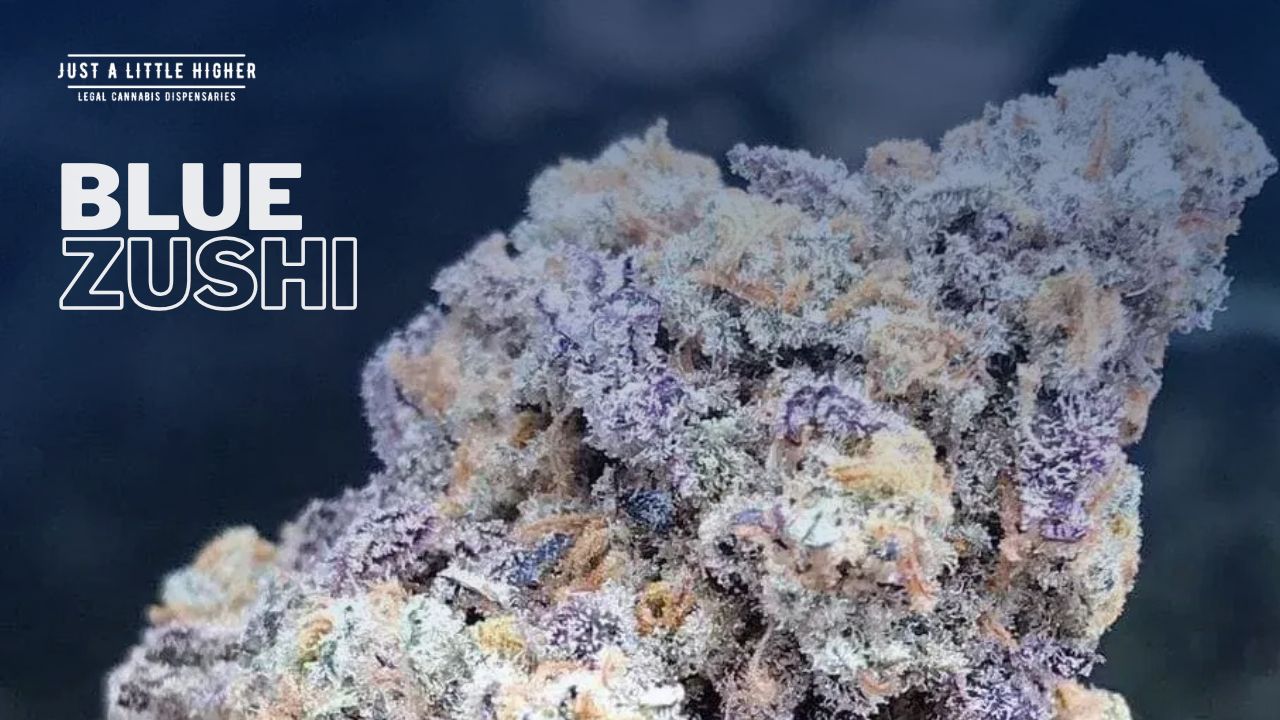

Blue Zushi arrived on the scene as one of those hybrid strains that quietly gathered fan mail: bright berry aromas, a glossy coat of trichomes, and an approachable but interesting high. Recently, a set of lab certificates circulated showing measured THC numbers hitting as high as 28%, which has re-opened conversations about its potency, safety, and place in the market. Whether you’re a consumer deciding whether to try Blue Zushi, a budtender writing product notes, or a grower curious about phenotype and yield, this long-form guide walks through everything you need to know: the strain’s background and sensory profile, what the lab data means, effects and terpene drivers, consumption advice, growing notes, medical uses, legal and safety reminders, and five practical FAQs at the end.
Origins, genetics, and what “Blue Zushi” refers to
Blue Zushi is typically described as a balanced to slightly indica-leaning hybrid, bred for bright fruity aromas and a relaxing-yet-uplifting effect. As with many modern cultivars, the exact parentage can vary by breeder or seedbank—some versions appear to combine classic blue-berry-forward genetics with newer Sativa-dominant hybrids that emphasize terpene-driven flavor and heady clarity. Because the cannabis market is full of regional variations and phenotype selections, “Blue Zushi” can mean slightly different plants depending on the craft breeder or dispensary brand that sells the flower. What unites these versions are common sensory traits — sweet berry and citrus highlights — and, increasingly, a consistent marketing angle: potent, flavorful, and visually striking nugs.
The headline: lab tests showing up to 28% THC — what that actually means
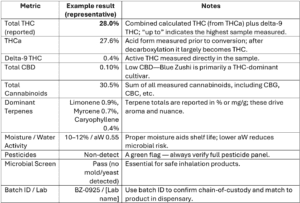
When a lab reports “up to 28% THC,” they’re giving the measured concentration of total THC (often reported as THCa converted to THC plus minor amounts of delta-9 THC). A few critical points to keep in mind when reading those numbers: lab results are specific to the tested batch or harvest—different runs, drying/curing conditions, or phenotypes will show different results. “Up to” typically means the highest measured sample in a batch or across several certificates; average lot potency may be lower. High cannabinoid numbers are a sign of a vigorous phenotype and good post-harvest handling, but they don’t tell the whole story—terpenes and minor cannabinoids shape the subjective experience drastically. Finally, lab accuracy depends on lab protocols and chain of custody; reputable, ISO-accredited testing facilities with clear reporting and batch IDs are the gold standard.
Sensory profile: smell, taste, and appearance
Blue Zushi tends to present with a layered aromatic profile: an upfront berry sweetness reminiscent of blueberries, undercut by citrusy high notes and a gentle herbal or floral backbone. On the palate, smokers typically report a clean, slightly creamy smoke with fruit-forward exhale and a faint spice from caryophyllene. Visually, the buds show a compact, slightly chunky structure with a healthy dusting of trichomes that give the flower a sparkly look; leaf coloration often ranges from deep green to bluish hues depending on phenotype and cooler flowering temperatures. Good curing amplifies the terpene clarity— connoisseurs will notice sharper citrus-zest top notes after a patient, low-temperature cure.
Effects and user profiles — who likes Blue Zushi?
Blue Zushi is commonly described as delivering an initial cerebral uplift — a gentle wave of focus and positivity — that eases into a calming body sensation without heavy sedation when used at moderate doses. At the potency levels suggested by 28% THC, expect effects that are notably stronger for inexperienced consumers: more pronounced mental stimulation, laughter, introspection, and a clear sedative pull if used heavily or late in the day. Profiles that tend to appreciate Blue Zushi include creative users, daytime recreational consumers looking for mood lift, and patients seeking mild-to-moderate relief from stress, mild pain, or low-level depression or anxiety. By contrast, those with low THC tolerance, a history of THC-triggered anxiety, or tasks requiring fine motor control or driving should use caution.
Terpene drivers and how they shape the experience
Terpenes are the fragrant compounds that direct aroma and, importantly, modulate the subjective effects of THC. Blue Zushi phenotypes often show terpene profiles dominated by:
• Limonene — citrusy, mood-elevating, often associated with an energetic uplift.
• Myrcene — earthy, herbal, and sedative-leaning; synergizes with THC to deepen physical
relaxation.
• Caryophyllene — spicy, peppery, and binds to CB2 receptors; linked to anti-inflammatory effects.
• Linalool (in some phenotypes) — floral, calming, and associated with anxiolytic properties.
Together, these terpenes help explain Blue Zushi’s blend of clarity and calm: limonene and linalool supporting mood and relaxation, with myrcene and caryophyllene providing the body-melting finish.Lorem ipsum dolor sit amet, consectetur adipiscing elit. Ut elit tellus, luctus nec ullamcorper mattis, pulvinar dapibus leo.
Lab results table — interpreting the numbers
Below is a concise table that demonstrates a typical lab summary you might see for a high-potency Blue Zushi lot. This is a representative format (not a replacement for actual lab certificates) intended to help readers decode common test fields.
Consumption guidance and dosing with high-THC flower
A 28% THC flower is potent. For responsible enjoyment:
• Start low, go slow. New or infrequent users should start with a small amount (a single small puff or 1–2 mg THC if using measured products) and wait 15–25 minutes to judge the effect.
• Use slower consumption methods. Vaporizing flower at lower temperatures can reveal terpenes and reduce harshness while allowing more controlled dosing.
• Avoid mixing with alcohol or sedatives. Combining high-THC cannabis with other CNS depressants increases impairment and adverse effect risk.
• Have a calm environment ready. If anxiety appears, sitting, breathing, hydrating, and having a trusted person nearby helps. CBD (if available) in modest amounts may counteract anxiety for some users.
• Plan activities. Avoid driving, operating heavy machinery, or making major decisions until sober.
Medical contexts and therapeutic considerations
Patients using cannabis therapeutically should consult a clinician experienced in cannabinoid medicine. Blue Zushi’s THC levels and terpene mix may be helpful for short-term symptom relief: acute pain spikes, mood-related disorders, or appetite stimulation. However, THC-dominant products can worsen psychosis-prone conditions, and chronic heavy THC exposure carries risks including cognitive impacts for adolescents and potential dependence in vulnerable users. For medical users seeking longer-term symptom control, considering CBD-containing formulations or lower-THC ratios may be preferable.
Growing notes and phenotype tips
For craft growers chasing the high-THC Blue Zushi phenotype:
• Environment matters. Cooler night temps during late flower can coax out blue/ purple hues and
encourage terpene expression. Stable humidity control in the final weeks preserves trichomes.
• Feeding and training. Moderate nitrogen in veg transitioning to phosphorus-rich bloom nutrients
improves bud density. Low-stress training (LST) can flatten the canopy and promote even light distribution for bigger colas.
• Harvest timing. Trichome inspection—aim for a mix of cloudy with some amber for balanced effects. Harvest too early and you’ll miss peak cannabinoid load; too late and you risk increased sedation (more amber).
• Curing matters. Slow cure in jars with burping over 2–6 weeks preserves terpenes and smooths
the smoke; rushed drying reduces aromatic clarity. Safety, legality, and consumer checklist
• Verify legal status. THC percentage limits and purchase rules vary by jurisdiction. Confirm local
regulations before buying or transporting.
• Ask for a COA. Match the product batch ID to the lab certificate and look for pesticide and
microbial pass results.
• Know your tolerance. High THC flower is not the best first experience for novices.
• Store safely. Keep away from children and pets; store in childproof containers and in a cool, dark place.
FAQs
1. Are lab THC numbers always accurate?
Lab results are only as reliable as the lab and the chain-of-custody. Look for ISO accreditation or reputable lab names, and make sure the COA matches the product’s batch ID. “Up to 28%” typically
means one sample measured that high; averages within the batch may be lower.
2. Will Blue Zushi make me paranoid because it’s 28% THC?
High THC increases the chance of anxiety or paranoia, especially in inexperienced users. Terpenes like limonene and linalool can mitigate anxiety for some, but the safest approach is to dose low, use in a calm environment, and avoid mixing with alcohol.
3. Is Blue Zushi better for daytime or nighttime use?
At modest doses it often suits daytime or creative activities because of an initial uplift; at higher doses it can lean sedating. Time use to your tolerance and the effect you want.
4. Can I extract concentrates from Blue Zushi?
Yes. High-THC, terpene-rich flower is often used for extracts and live-resin products. If you plan DIY extraction, be aware that doing so safely requires knowledge and safe equipment; many extraction processes are hazardous and require professional facilities.
5. How should I store Blue Zushi to preserve potency and flavor?
Keep in a sealed, opaque container in a cool, dark place. Avoid excessive heat and humidity; a relative humidity pack between 58–62% in a jar helps preserve terpene profiles and prevent mold.
Closing notes
Blue Zushi’s reported lab results—up to 28% THC—place it in the upper tier of modern flower potency. That number is attention-grabbing, but the real experience is built from an interplay of THC, terpenes, minor cannabinoids, and the quality of cultivation and cure. If you try Blue Zushi, do so with curiosity and caution: savor the aroma, start with small doses, verify COAs, and pay attention to how the terpene mix and cannabinoid load shape your session. For retailers and budtenders, clear COA access and honest shelf notes (including phenotype, terpene highlights, and suggested dosing) will help customers match this potent flower to their needs safely and enjoyably.